
Understanding Why Methodology Matters in Dental Waterline Testing
Dental water testing is often discussed as a straightforward compliance task. One of the most overlooked aspects of dental waterline monitoring is whether the testing method being used is appropriate for the system being evaluated.
That distinction matters more than many facilities realize.
Not all microbiological methods are designed for the same water conditions, and using the wrong method can affect recovery, interpretation, and ultimately the reliability of the results being used to support compliance decisions and broader water quality management efforts.
For dental unit waterline (DUWL) testing, one method continues to stand out as the recognized and widely referenced approach:
Standard Methods 9215 C — Spread Plate Method.
What Does SM 9215 C Mean?
Before understanding why the method matters, it helps to understand what the name itself means.
SM stands for Standard Methods, referring to Standard Methods for the Examination of Water and Wastewater, one of the most widely recognized references for water testing methodologies and laboratory standards used throughout the water industry
9215 refers to the section dedicated to heterotrophic plate count (HPC) testing, which measures the concentration of general heterotrophic bacteria within a water sample.
The “C” identifies the specific procedure within that section:
the Spread Plate Method using R2A agar.
Together, SM 9215 C refers to a standardized HPC testing method specifically designed to recover bacteria commonly found in treated water systems, including slow-growing and stressed organisms that may exist within dental waterlines.
Understanding the terminology is important, but understanding why the method matters in dental environments is where the distinction becomes critical.
Why Dental Waterlines Require a Different Approach
Dental unit waterlines operate under unique conditions that make them especially vulnerable to biofilm development and microbial growth.
These systems typically contain narrow tubing, experience low water flow and periods of stagnation, and often operate under warm conditions using treated water with low nutrient levels.
Over time, these factors can allow slow-growing, water-adapted microorganisms to colonize internal surfaces and form biofilms within the system.
Because of this, dental unit waterline testing requires methodologies capable of recovering stressed, low-nutrient-adapted bacteria that may not grow effectively under methods designed for other water matrices.
This is one of the key reasons why SM 9215 C is considered such an important method for dental waterline testing
What Is SM 9215 C?
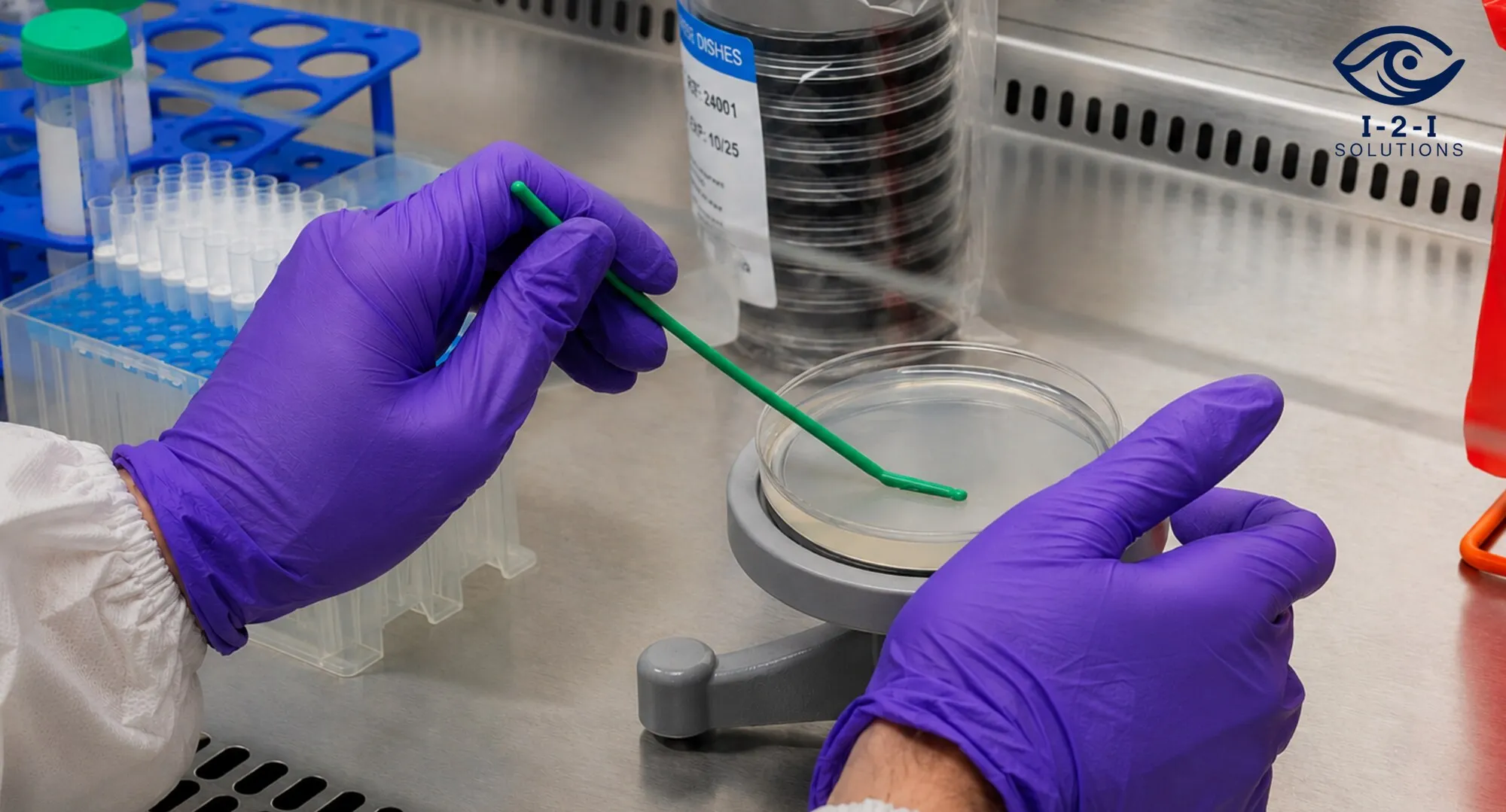
SM 9215 C is a heterotrophic plate count (HPC) method that uses the spread plate technique with R2A agar to recover bacteria commonly found in treated water systems.
The method is specifically designed to support the growth of slow-growing organisms that may not recover well in richer media commonly used in other microbiological applications.
This matters because bacteria commonly recovered during dental unit waterline testing are often environmentally adapted organisms living under low-nutrient conditions within biofilms.
Recovering those organisms accurately is essential when evaluating whether a dental water system is operating within acceptable conditions particularly when results are being used to support operational or compliance-related decisions.
Why R2A Agar Matters
R2A agar is widely referenced in dental water testing because it supports the recovery of stressed and slow-growing bacteria commonly found in treated water systems. In SM 9215 C, the spread plate method is commonly performed using R2A agar due to its ability to support bacterial recovery in low-nutrient water environments such as dental unit waterlines. Within Standard Methods 9215, R2A agar may also be used across multiple approaches, including the 9215B pour plate and 9215D membrane filtration methods.
For dental waterline testing, SM 9215 C continues to be one of the most referenced and preferred approaches due to its compatibility with low-nutrient water systems and its widespread use in dental water quality monitoring programs.
Alignment with CDC and ADA Guidance
Another reason SM 9215 C is so widely referenced is its alignment with existing dental water quality guidance.
The CDC (Centers for Disease Control and Prevention) and ADA (American Dental Association) both recommend that dental water treatment contain no more than 500 CFU/mL of heterotrophic bacteria, consistent with EPA drinking water standards.
SM 9215 C supports this framework because it produces countable colony-forming units (CFU), allowing facilities to compare results directly against recognized action levels commonly referenced within healthcare and environmental monitoring programs.
This is an important distinction because not all testing methods generate results that align cleanly with CFU-based guidance or allow for the same level of interpretation.
In practice, facilities rely on these results to evaluate treatment effectiveness, guide corrective actions, and demonstrate compliance during inspections or audits.
Why Method Selection Impacts Defensibility
One of the biggest misconceptions in water testing is that all microbiological methods are interchangeable. They are not.
Different methods are designed for different objectives, water types, organism recovery profiles, and reporting structures. Selecting a method that aligns with the intended application is part of building a technically defensible monitoring program.
Facilities evaluating third-party testing support should also understand how laboratory experience, reporting transparency, and testing methodologies contribute to defensible decision-making.
For dental facilities, that means using a methodology capable of recovering low-nutrient-adapted bacteria, supporting accurate quantification, aligning with recognized guidance, and producing actionable and interpretable results. Facilities may not always realize that some in-office paddle tests or alternative methods are not optimized for the dental waterline environment and may not provide the same level of defensibility during audits, investigations, or compliance reviews.
How I-2-I Solutions Supports Dental Water Testing Programs
Effective dental unit waterline testing depends not only on the testing method itself, but also on the laboratory and technical processes supporting the program behind the scenes.
At I-2-I Solutions, our approach focuses on delivering scientifically defensible testing supported by recognized methodologies, clear reporting, and quality-driven laboratory practices. Through our ISO/IEC 17025 accredited laboratory and participation in the CDC ELITE Program, we help facilities support their broader water quality management and compliance efforts with reliable environmental testing services.
Our team works with healthcare and facility clients to support:
- Dental waterline testing
- Heterotrophic plate count (HPC) analysis
- Legionella environmental testing
- Water management program support
- Sampling guidance and reporting interpretation
Because accurate testing is only valuable when the results are actionable, interpretable, and technically defensible.
The Bigger Picture
Dental water testing is not simply about generating a passing or failing result. It is about understanding whether the testing approach itself is appropriate for the system being evaluated.
Selecting the appropriate testing methodology is part of ensuring results are both scientifically reliable and operationally meaningful.
As expectations around infection prevention and water quality oversight continue increasing, facilities are placing greater emphasis on defensible monitoring strategies and educational resources that support long-term water safety management.
Because accurate decisions depend on accurate methods.
Explore more dental water and Legionella water management insights in the I-2-I Solutions Knowledge Hub, or schedule a free consultation with our team today to discuss the right approach for your facility.